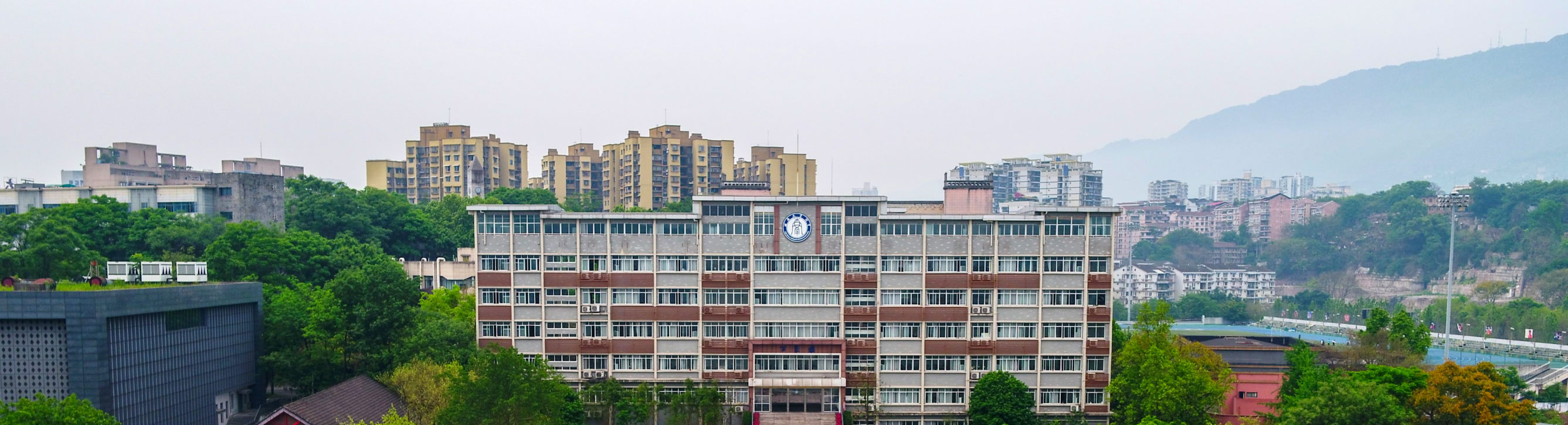
当欧盟教育政策的“建筑师”走进附中课堂,与少年学子展开一场关于世界与未来的对话,会碰撞出怎样的思想火花?
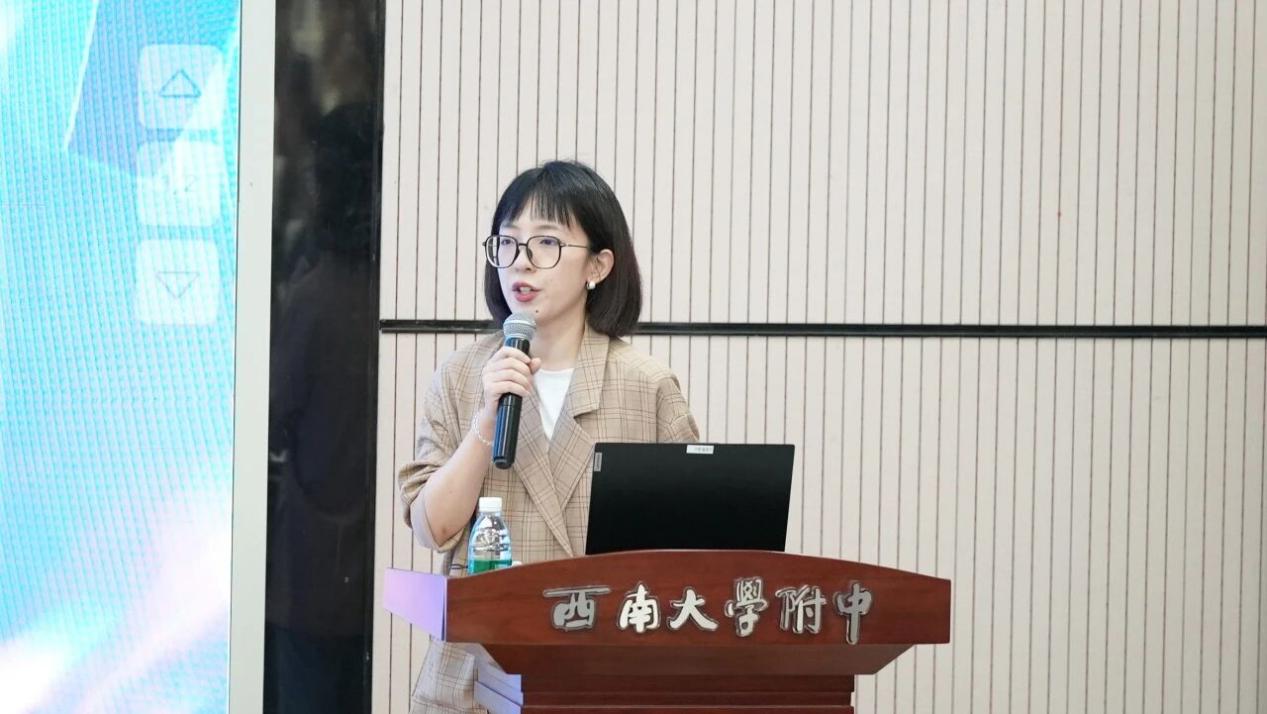
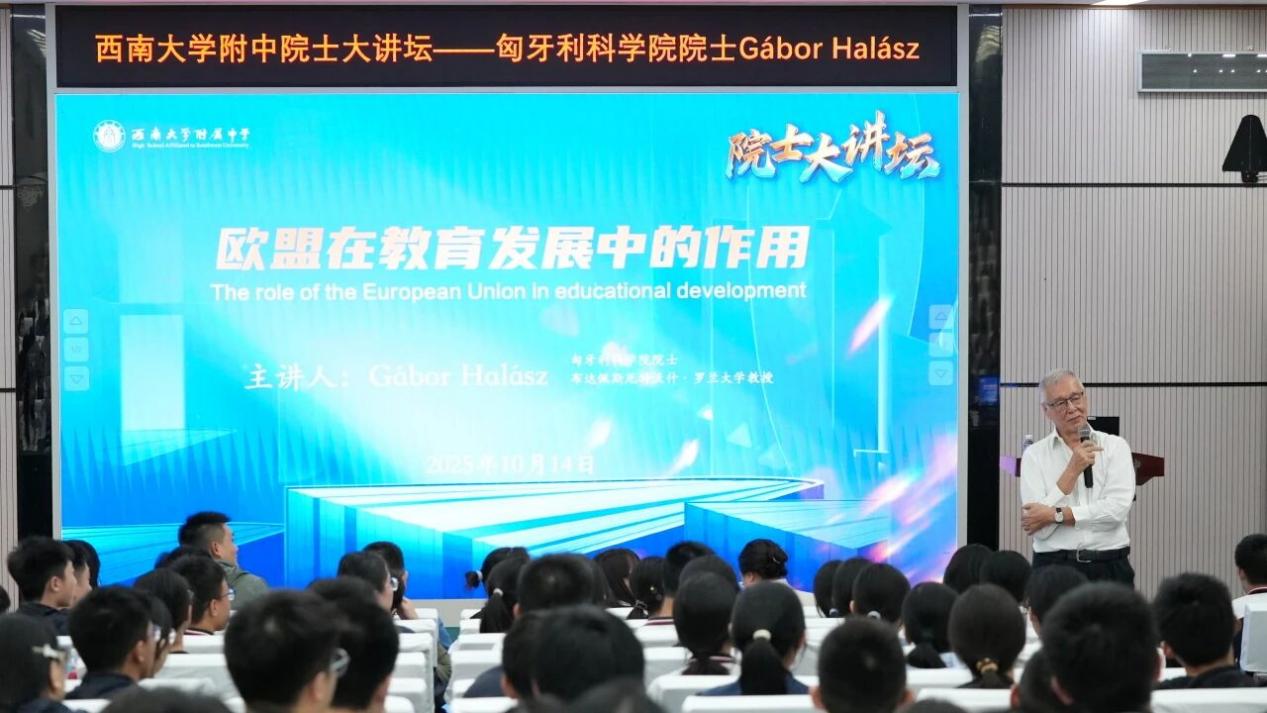
金秋十月,思想交融。10月14日,灯火通明的万象楼阶梯教室,仿佛一个微缩的“欧洲思想沙龙”。受西南大学附属中学校张勇校长邀请,匈牙利科学院院士Gábor Halász到访附中,以“欧盟在教育发展中的作用”为题,为附中学子带来一场关于教育未来的深度思辨。讲座由西南大学附中外语组教师范可星主持。西南大学附中副校长游伟与教师代表共同出席。
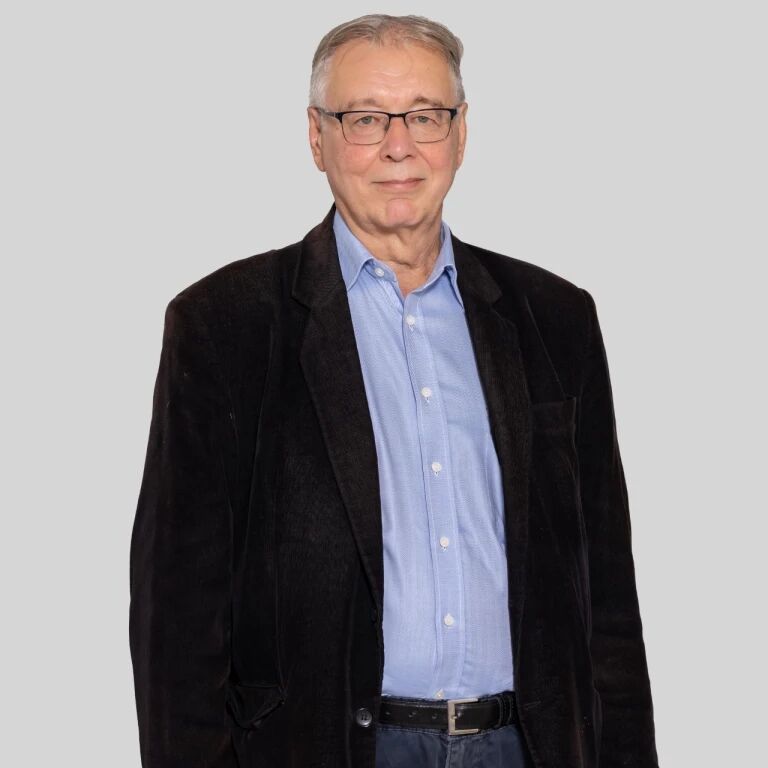
布达佩斯厄特沃什·罗兰大学教育与心理学院教授(现为荣休教授)、匈牙利科学院院士。长期致力于教育政策、高等教育社会学、教育创新、欧洲一体化与全球教育发展研究,曾任匈牙利教育研究与发展研究所所长,并在欧洲国家教育研究机构联盟(CIDREE)担任理事会主席。曾为OECD、欧盟委员会、世界银行、欧洲委员会等提供教育政策咨询,是中国教育科学研究院主导的“一带一路”教育对话项目首席专家。
“欧盟本身,就是一个宏大的教育实验室。”
Gábor Halász院士从欧盟源于“煤钢共同体”的独特身世讲起,指出其教育基因的晚成——直到1992年《马斯特里赫特条约》,才被正式赋予“有限的权利”。然而,正是在这有限的舞台之上,欧盟发展出了一套精妙的 “软性治理” 艺术:不依赖强制命令,而是通过开放协调法、结构基金、政策网络与同伴压力,潜移默化地引导着27个成员国的教育走向。
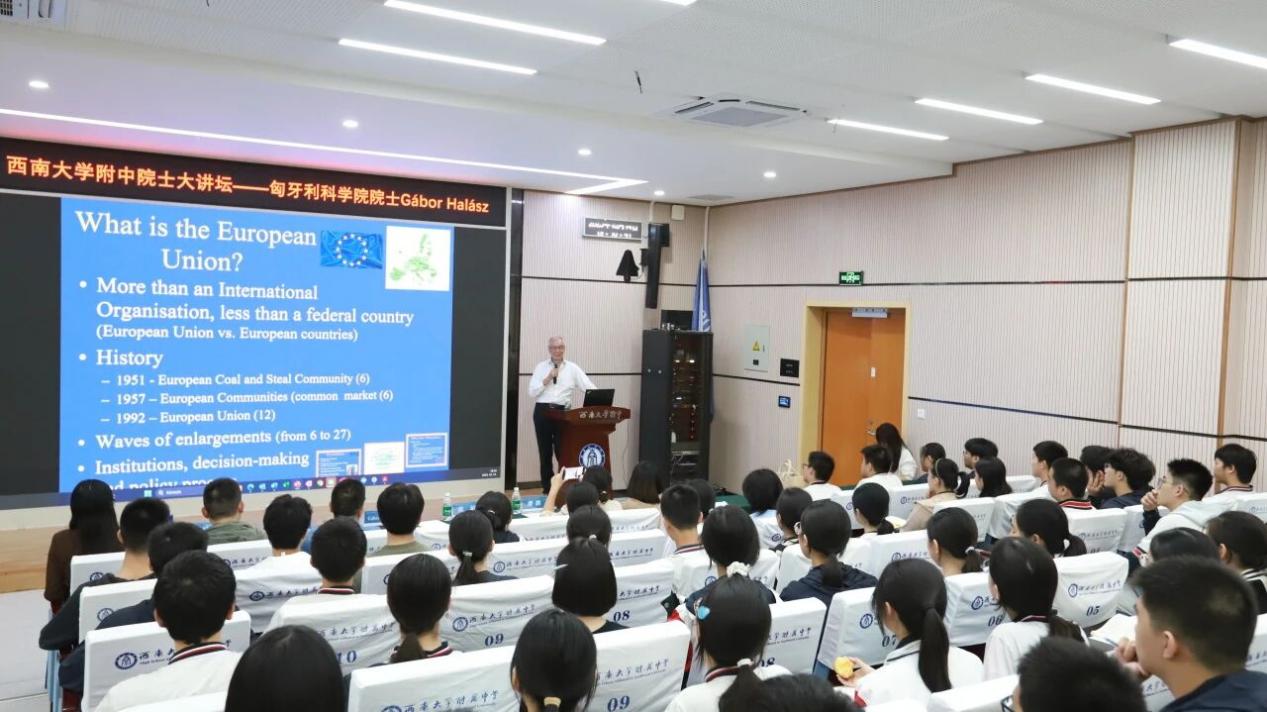
在这一框架下,伊拉斯谟计划构建起“流动的知识共和国”,博洛尼亚进程成为欧洲学分的“统一度量衡”,而“欧洲关键能力”与“欧洲资格框架”的提出,更推动教育范式从“学什么”彻底转向“能做什么”,完成了一场静默而深刻的教育革命。
随后进行的问答环节,将现场的热烈氛围推向了新的高潮。在这场全英文的学术对话中,附中学予以地道的表达、开阔的视野与批判性思维,与学术大师展开了深度对话。
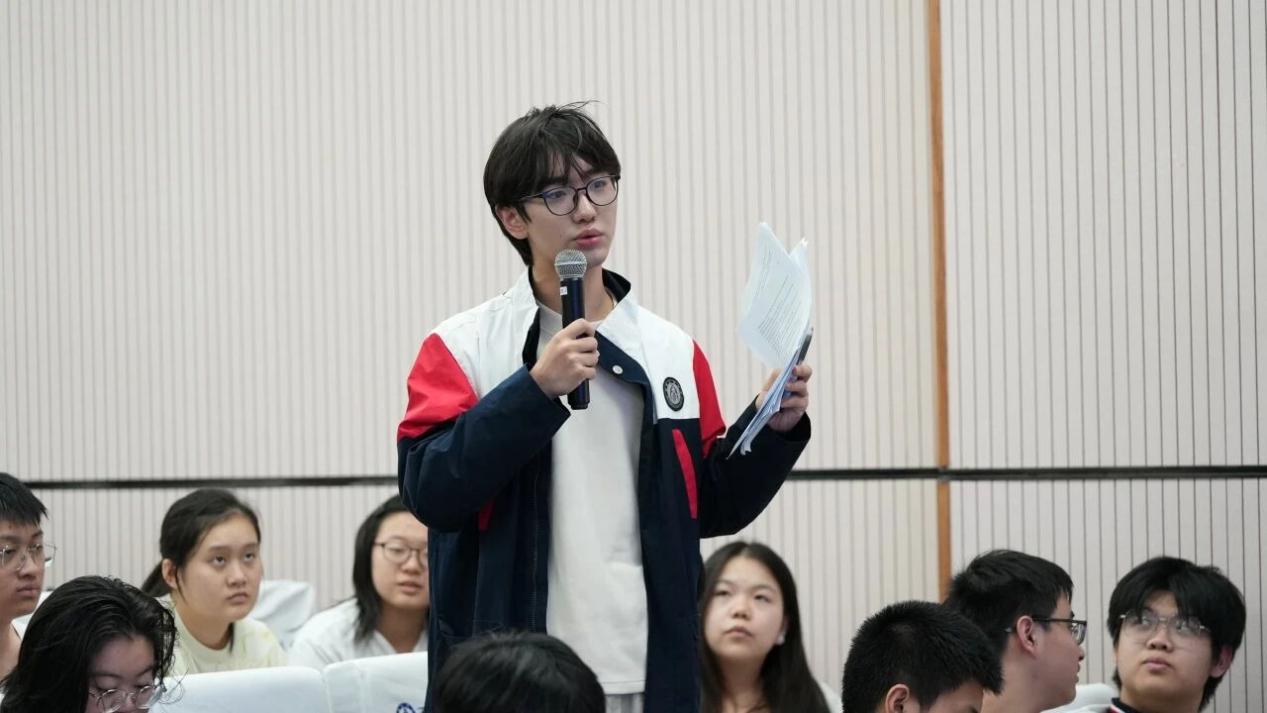
高2027届国际班陶羿杰:
"You just mentioned "education projects". So, how do you think such projects and the unique integrated education have influenced the economic and social development of Europe?"
(“您刚刚提到了‘教育项目’,你觉得这种项目和独特的一体化教育怎么影响了欧洲经济和社会发展?”)
Gábor Halász院士:
"The EU's educational programs, such as Erasmus+ and structural funds, directly cultivate talents with 'European identity' and cross-cultural skills by promoting the mobility of students and teachers, which enhances economic competitiveness. However, the impact is uneven. Groups that have long participated in international projects have made significant progress, while other sectors may experience slower changes, leading to uneven development."
(“欧盟的教育项目,如Erasmus+和结构基金,通过促进学生和教师的流动,直接培养了具备‘欧洲认同’和跨文化技能的人才,这增强了经济竞争力。但影响并不均衡,长期参与国际项目的群体进步显著,而其他部门可能变化较慢,这导致了发展的不均衡。”)
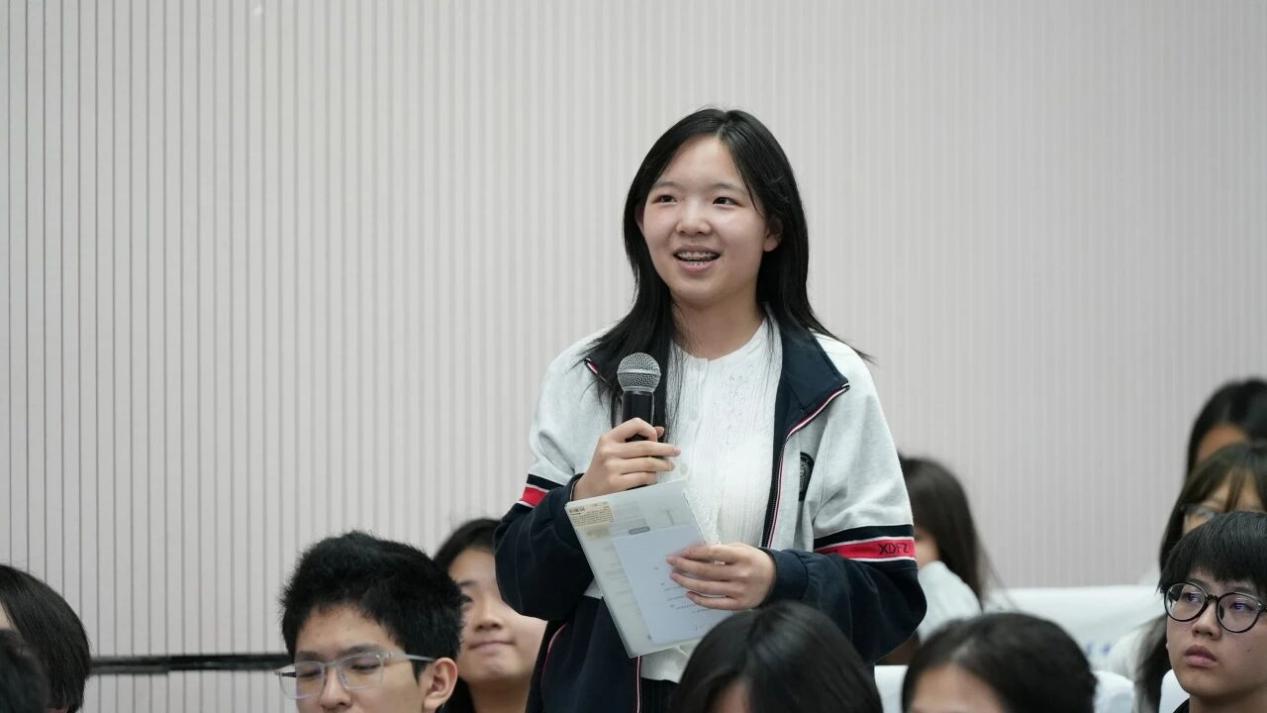
初2026届国际班夏诗佳 :
"What are the differences between the education system in Hungary and that in China?"
(“匈牙利的教育模式与中国的区别是什么?”)
Gábor Halász院士:
"A core difference lies in the way teaching is organized. Hungarian education leans more towards small-scale, project-based learning, aiming to stimulate students' autonomy. On the other hand, Chinese education excels in managing large-scale classrooms and focuses on the systematic impartation of knowledge. Despite different models, both countries are actively exploring innovation and the integration of industry and education."
(“一个核心区别在于教学的组织方式。匈牙利教育更倾向于小规模、项目式的学习,旨在激发学生的自主性。而中国教育在大规模课堂管理方面非常高效,注重知识的系统传授。尽管模式不同,但两国都在积极探索创新与产教融合。”)
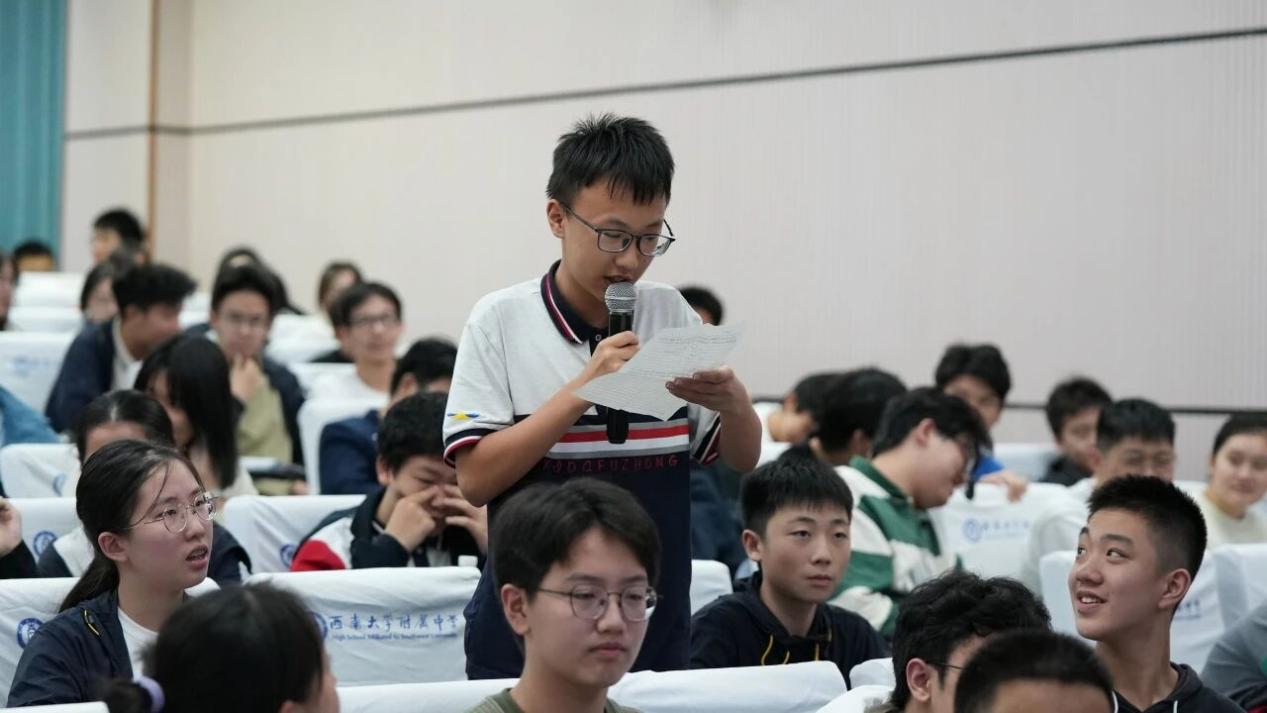
初2026届26班李晟博:
"Compared with Asian education, European education attaches importance to practice and hands-on operation, while Asia will pay more attention to practice and scores. What are the advantages of the two ?"
(“与亚洲教育相比,欧洲教育重视实践和动手操作,而亚洲会更加重视练习和分数。二者有什么优势吗?”)
Gábor Halász院士:
"The strength of European education lies in fostering innovation, problem-solving skills, and teamwork, making it well-suited for the rapidly changing labor market. Asian education, on the other hand, builds a solid foundation of knowledge and inculcates a strong sense of discipline. These two systems are not mutually exclusive; the future of education should integrate the strengths of both: emphasizing foundational training while enhancing the development of practical and application-oriented abilities."
(“欧洲教育的优势在于培养创新、解决问题的能力与团队合作精神,适合快速变化的劳动力市场。亚洲教育则打下坚实的知识基础与纪律性。两者并非对立,未来教育应融合二者之长:既重视基础训练,也加强实践与应用能力的培养。”)
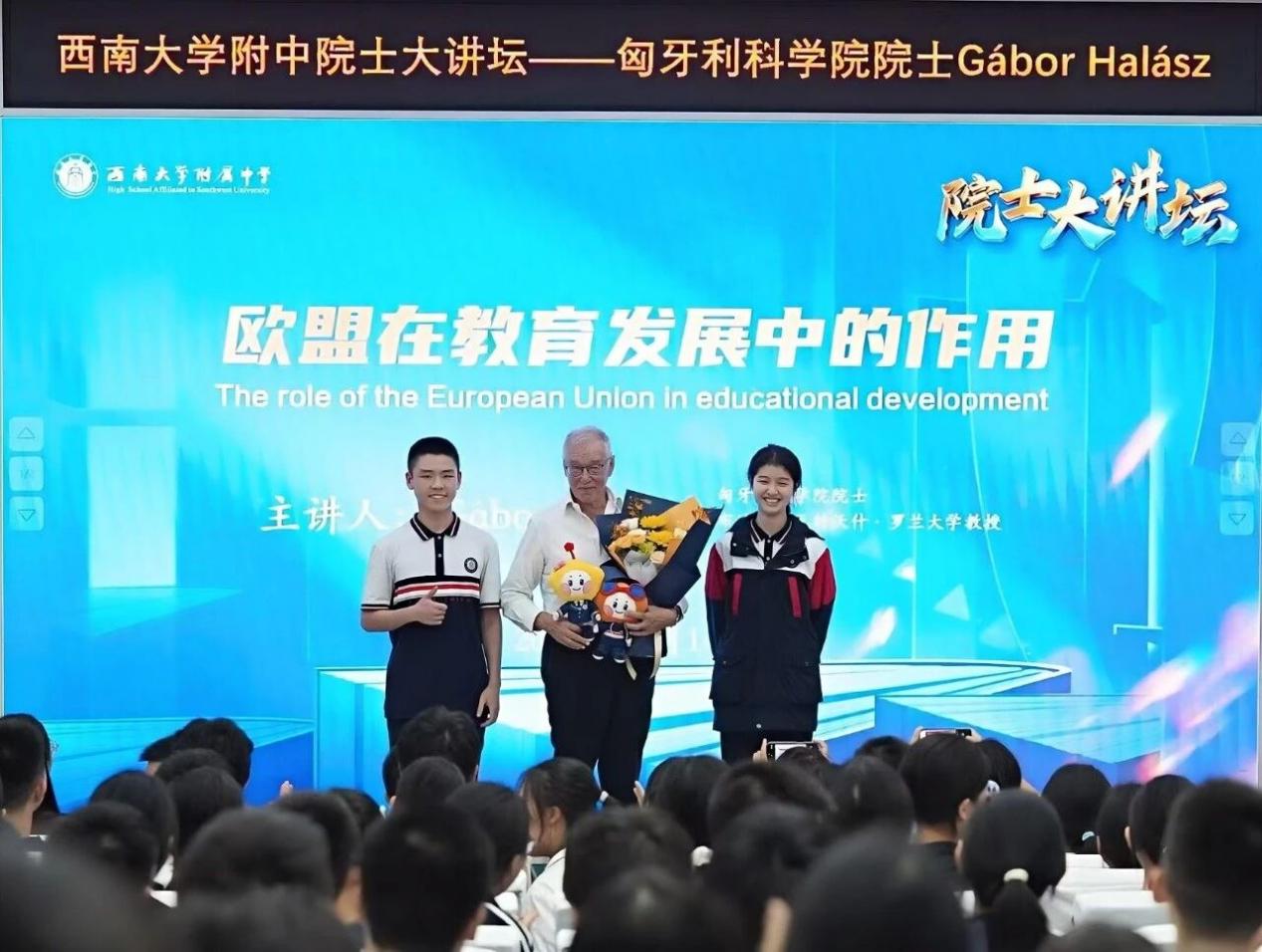
讲座尾声,学生代表手捧鲜花走上讲台,向Gábor Halász院士致以诚挚的感谢。鲜花象征着知识的传递与敬意的交融,也为本场讲座画上了温暖的句点。
当正式的议程划上句号,思想的余韵却刚刚开始发酵。学生们自发地聚拢上前,将Gábor Halász院士簇拥在中心。方才的听众变成了积极的提问者,严肃的讲台化身为最生动的课堂。院士俯身为他们签名、赠言,耐心回应每一个求知的声音。这一刻,教育的仪式感从台上转移到了台下,在近距离的交流中,完成了最动人的传承。
本场讲座是西南大学附中“院士大讲坛”从自然科学向社会科学与政策领域的精彩延伸。它标志着学校“三群一线”特色课程体系,正以更广阔的学科覆盖,为学生构建贯通中西的学识框架与全球胜任力。
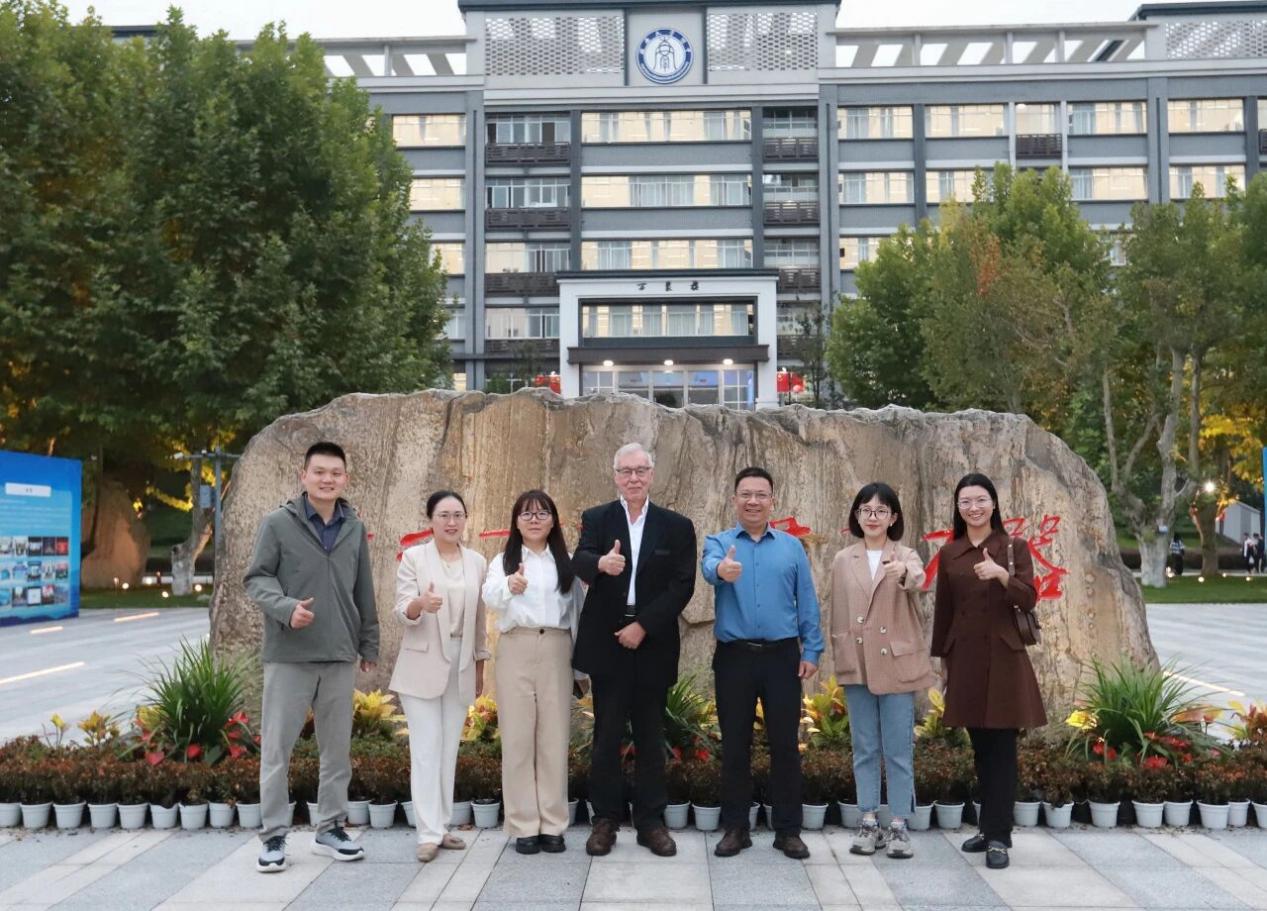
当Gábor Halász院士——这位曾亲手参与塑造欧盟教育政策的学者——在附中的讲台上,与学生们就教育模式、低龄留学等现实议题展开交流时,教育政策的宏大叙事与青少年个体的成长关怀,完成了深刻共鸣。


注册校友卡